
What Causes Menopause Belly Fat? Why Your Diet Isn't Working During or After Menopause
Summary
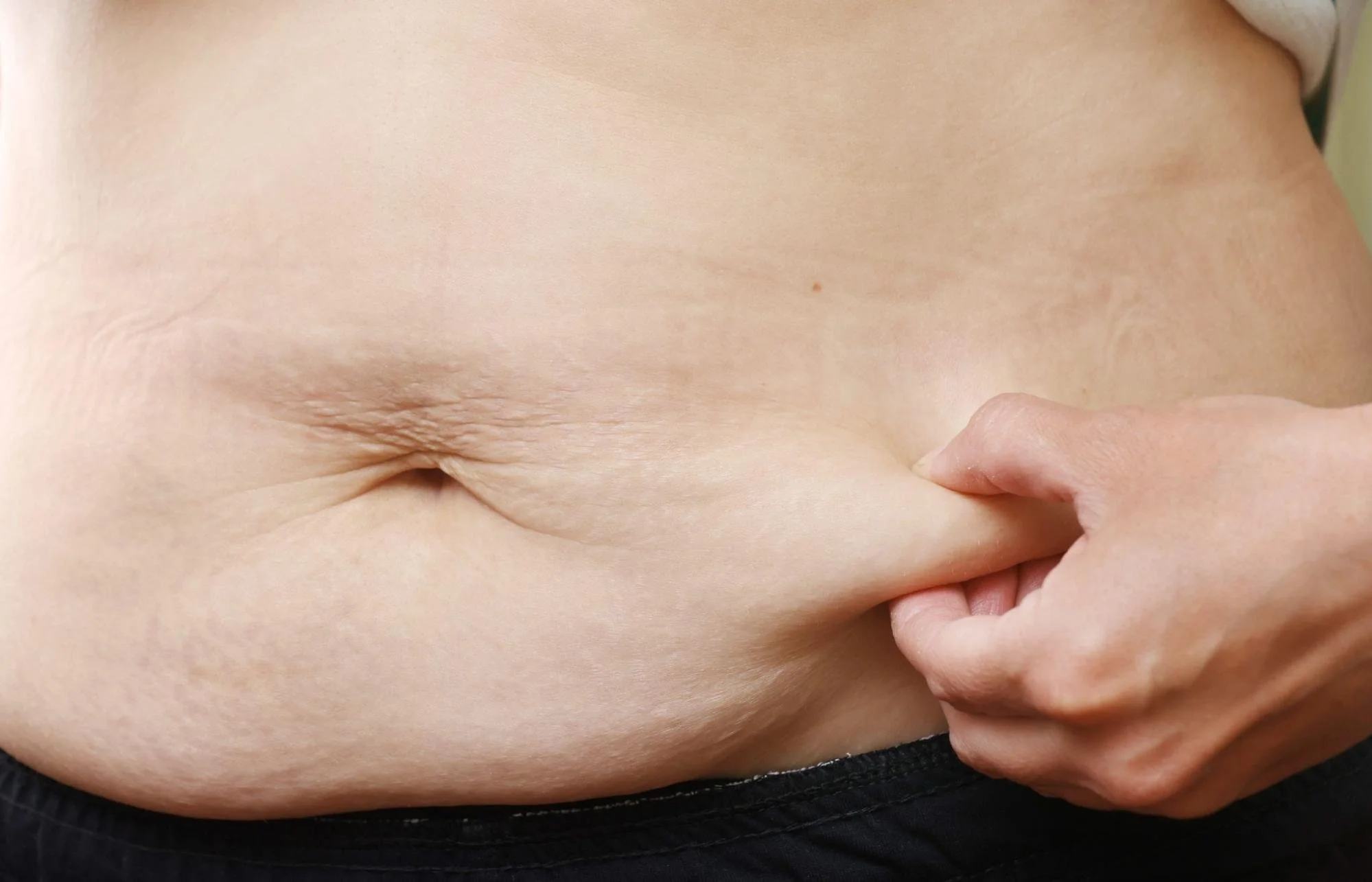
Menopause-related belly fat accumulation is due to declining estrogen levels, metabolic slowing, and insulin resistance. Traditional diets fail because hormonal changes fundamentally alter fat storage patterns. Combining strategic nutrition, strength training, and emerging treatments like semaglutide injections offers the most effective approach to combat belly fat during menopause and improve metabolic health.
Table of Contents
What Causes Belly Fat After Menopause?
Why Does Postmenopausal Belly Fat Increase Health Risks?
How Do Hormonal Changes Cause Menopausal Belly Fat?
How to Lose Menopause Belly Fat?
How Do GLP-1 Medications Help With Belly Fat After Menopause?
What Causes Belly Fat After Menopause
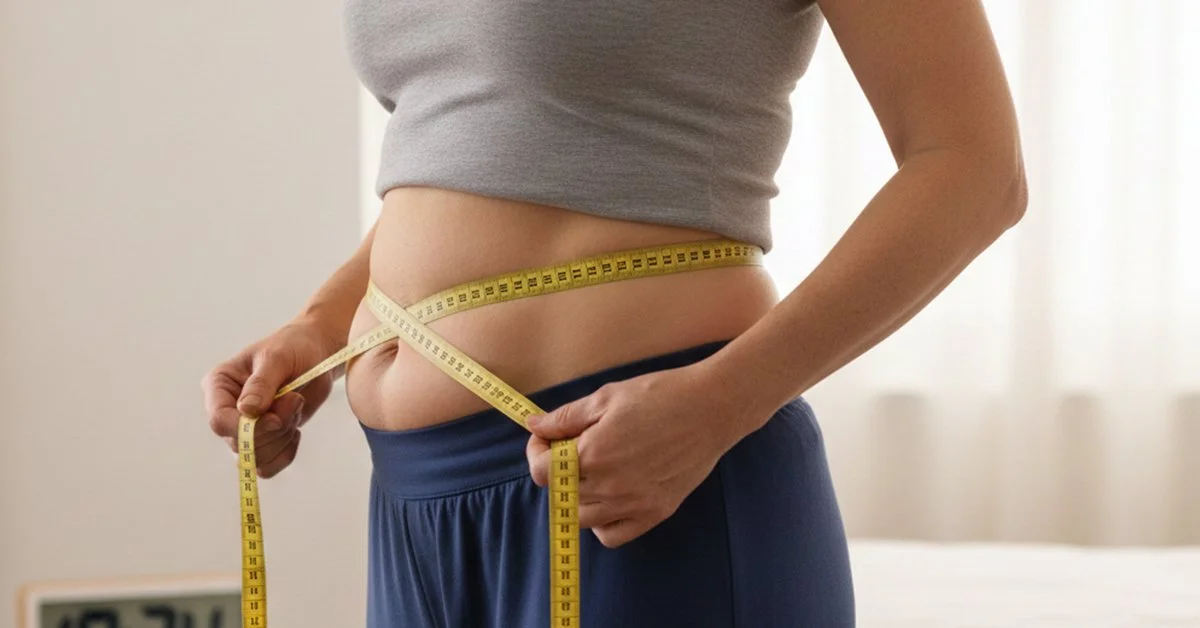
Menopause belly fat results mainly from lower estrogen levels, which shift fat storage to the abdomen, along with slower metabolism and muscle loss.
This "menopause belly" is further driven by increased insulin resistance, higher stress/cortisol levels, and reduced physical activity.
Several factors contribute to this change, which include:
Hormonal Shifts (Lower Estrogen): As estrogen levels drop, the body no longer stores fat primarily in the hips and thighs. It also struggles to manage weight, often leading to an accumulation of deeper visceral fat around organs.
Reduced Metabolism and Muscle Loss: Age-related muscle loss reduces the body's resting calorie burn, making it easier to gain weight.
Insulin Resistance: Menopause can reduce cells' responsiveness to insulin, leading to elevated blood sugar levels and increased abdominal fat storage.
Stress and Poor Sleep: Elevated cortisol levels from stress, combined with poor sleep quality during this transition, can increase cravings and fat retention.
Lifestyle Changes: Decreased physical activity and, in some cases, genetic factors play a significant role in where the body stores fat.
A 3-year study of women aged 42-50 found an average weight gain of 2.2 kg, with 20% gaining more than 4.5 kg.
Why Does Postmenopausal Belly Fat Increase Health Risks?
The accumulation of visceral fat during menopause significantly increases the risk of chronic conditions. This "belly fat" is biologically active, releasing inflammatory substances that can negatively impact heart health.
Women experiencing menopause are at a heightened risk for heart disease, cardiovascular disease, and type 2 diabetes. This elevated risk stems directly from the hormonal changes that promote visceral fat accumulation.
Managing belly fat during menopause is therefore a critical component of long-term preventive healthcare, aimed at mitigating these serious health outcomes.
How Do Hormonal Changes Cause Menopausal Belly Fat?
Hormonal shifts during perimenopause and menopause can significantly impact your body's fat storage, appetite, and metabolic efficiency. Here are some of the ways hormonal changes contribute to increased belly fat after menopause:
Cortisol, Stress, and Increased Food Cravings
After menopause, lower estrogen levels can heighten the body’s response to stress. It often leads to elevated cortisol, the hormone that helps manage stress but is also closely linked to fat storage.
Common effects include:
Increased appetite throughout the day
Stronger cravings for sugary and carbohydrate-rich foods
Greater tendency to store fat around the midsection
Difficulty controlling stress-related eating patterns
Thyroid Hormone Shifts and a Slower Metabolism
During and after menopause, subtle changes in thyroid hormone levels can slow metabolic processes.
Even mild thyroid dysfunction can reduce calorie burning, contributing to gradual belly weight gain that seems resistant to diet changes.
Common effects include:
Slower metabolism and reduced calorie burn
Persistent fatigue and low energy levels
Weight gain that concentrates around the abdomen
Increased sensitivity to cold temperatures
Insulin Resistance and Blood Sugar Imbalance
As insulin sensitivity declines, glucose is more likely to remain in the bloodstream, prompting the body to release more insulin. Higher insulin levels encourage fat storage and make fat loss—especially around the belly—much harder to achieve.
Common effects include:
Increased fat storage, particularly in the abdominal area
Energy crashes and ongoing fatigue
Frequent hunger and cravings between meals
Slower and more frustrating weight loss efforts
How to Lose Menopause Belly Fat?

The best way to lose menopause belly fat combines multiple approaches that address both nutrition and lifestyle factors. Some of these include:
Eat Enough Protein: Protein supports muscle maintenance during menopause, which helps slow metabolic decline. It also keeps you fuller longer, making it easier to control portions and reduce overeating.
Add More Fiber: Fiber helps regulate blood sugar and reduces cravings by preventing sharp energy crashes. It also improves post-meal fullness and supports gut health, which in turn influences metabolism.
Choose Healthy Fats: Healthy fats support hormone balance and improve satiety, helping meals feel more satisfying. They can also reduce inflammation and improve insulin response.
Be Smart With Carbs: Carbohydrate quality matters more than quantity. Fiber-rich, slow-digesting carbs help stabilize blood sugar and reduce fat storage.
Stay Hydrated: Proper hydration supports digestion, metabolism, and appetite regulation. Drinking enough water can help reduce unnecessary snacking and manage fatigue, which is common during menopause.
Build Strength: Incorporate strength training into your workout routine to help preserve muscle and keep metabolism more active. Aim for 2-3 strength training sessions per week, targeting all major muscle groups.
Keep Moving With Cardio: Cardio improves heart health, supports insulin sensitivity, and helps burn calories. Activities such as walking, swimming, or cycling can also ease menopause-related symptoms.
Manage Daily Stress: Chronic stress raises cortisol levels, which promote belly fat storage and increase cravings. Reducing stress supports hormone balance and weight control.
Prioritize Quality Sleep: Sleep directly affects hunger hormones, insulin sensitivity, and fat storage. Getting 7–9 hours of quality sleep each night helps reduce cravings and supports metabolic health.
How Do GLP-1 Medications Help With Belly Fat After Menopause?
While weight-loss medications can significantly reduce body weight and waist circumference, their impact on women in or approaching menopause has long been uncertain.
However, recent studies have shown that GLP-1 medications, typically used to treat type 2 diabetes, can also help with post menopause belly fat.
What are GLP-1 Medications?
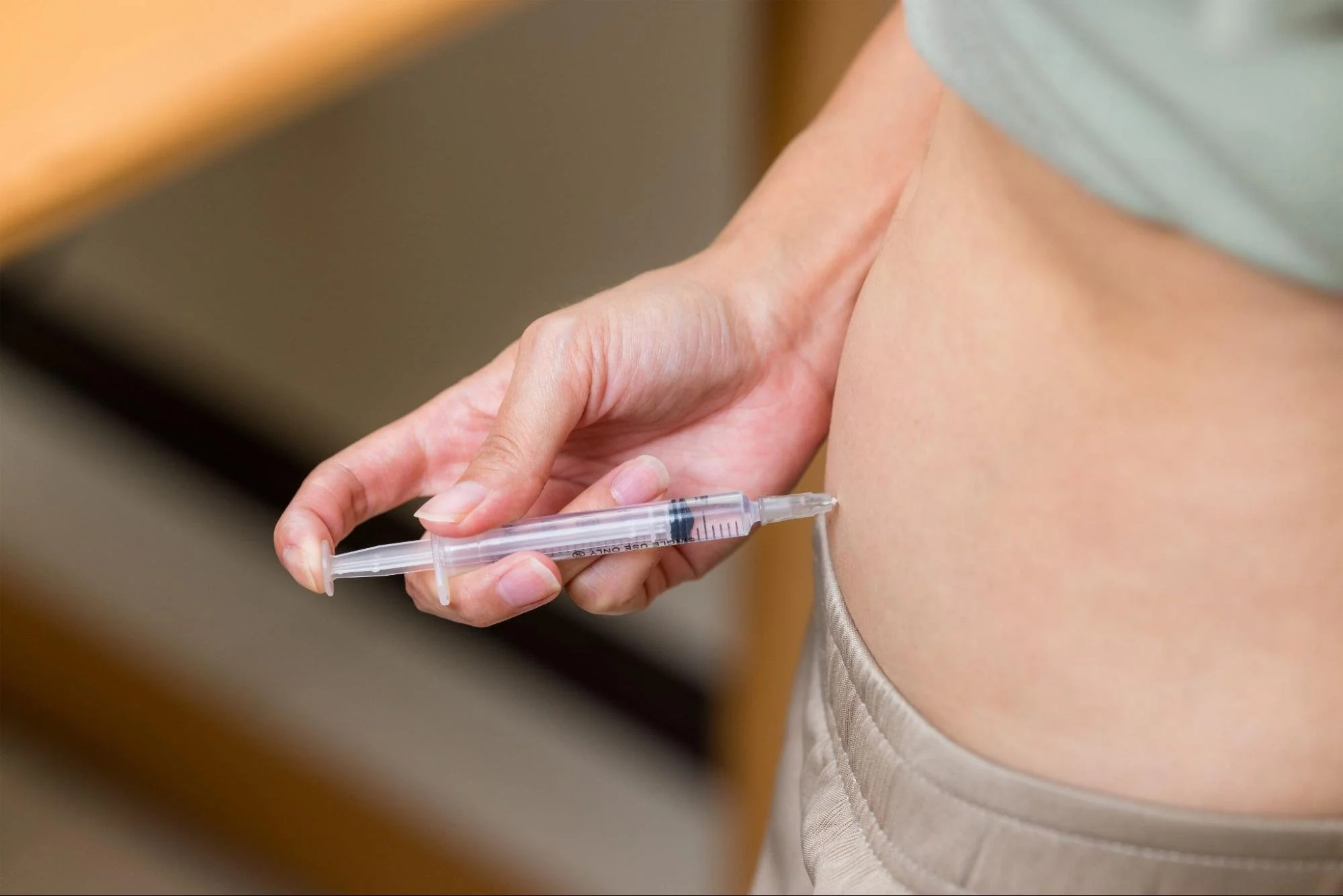
GLP-1 (glucagon-like peptide-1) is a class of medication that mimics a natural gut hormone to regulate blood sugar, decrease appetite, and slow digestion.
According to Sandra Chang, owner of Provenance Aesthetics & Wellness, GLP-1 injections can be an effective option for managing menopausal weight gain when used under proper medical supervision.
As a board-certified physician assistant with extensive clinical experience, she notes that these treatments offer several benefits, including:
Decrease Appetite Signals: These medications act on brain pathways that regulate hunger, helping reduce constant thoughts about food and frequent cravings.
Increase Meal Satisfaction: Slowing the rate at which food leaves the stomach helps you feel full sooner and stay satisfied longer after eating.
Encourage Fat Reduction: GLP-1 therapies support the loss of excess fat, including hard-to-lose abdominal fat that often appears during menopause, while improving overall body composition.
Improve Insulin Release: They help the pancreas release insulin only when blood sugar rises, preventing overproduction.
Stabilize Blood Sugar Levels: Better insulin response also reduces excess glucose production in the liver, supporting more balanced blood sugar throughout the day.
Complement Hormone Therapy: GLP-1s can recalibrate metabolism, reduce inflammation, and boost energy when combined with Bioidentical Hormone Replacement Therapy (BHRT).
For women seeking medical weight loss in Missouri City, Texas, Provenance Aesthetics & Wellness can provide personalized treatment plans combining GLP-1s with BHRT.
How Effective are GLP-1s for Medical Weight Loss?
Research consistently shows strong results, particularly when combined with healthy lifestyle habits. Most people lose around 15% of their body weight over several months on GLP-1 medications.
How Long Do GLP-1 Medications Take to Work?
You'll likely notice reduced appetite within the first few weeks.
Visible weight loss usually becomes apparent after 1 to 2 months. Results progress steadily, with clinical studies showing an average weight loss of 15% over 6 to 12 months of consistent use.
Who Should Consider GLP-1 Medications for Menopause Belly Fat?
Healthcare providers typically consider these medications for people with elevated BMI or specific conditions like type 2 diabetes.
For women who have tried diet and exercise without success against stubborn abdominal fat during menopause, these injections may provide the metabolic reset needed to finally see results.
However, their use should always be discussed thoroughly with a healthcare professional to determine suitability and potential benefits.
Conclusion
Hormonal changes, metabolic slowdown, and insulin resistance drive hormone-related fat gain, not lack of effort. Traditional diets often fail because they don't address these underlying factors.
For many women, GLP-1 medications like semaglutide provide the additional metabolic support needed when lifestyle changes alone aren't enough.
Managing belly fat during menopause is possible with the right approach. At Provenance Aesthetics & Wellness, a trusted Medical Spa in Missouri City, Texas, we offer personalized treatment plans to help you achieve lasting results. Schedule your free consultation today.
Schedule a free consultation today to explore your options.
FAQs
-
Combine high-protein, fiber-rich nutrition with strength training, cardio, stress control, and quality sleep. When lifestyle changes aren’t enough, GLP-1 options such as semaglutide injections can help by improving insulin response and appetite control.
-
It shows up as increased fat around the waist and abdomen, creating a more apple-shaped body with a larger waistline rather than weight on the hips or thighs.
-
Weight gain often continues through the 50s, but it can slow or reverse with consistent nutrition, exercise, and, when appropriate, medical support.
-
Refined carbs, added sugars, and highly processed foods raise insulin levels and promote abdominal fat storage, making them harder to manage during menopause.
-
Lower estrogen shifts fat storage to the abdomen while metabolism slows and insulin resistance increases, leading to stubborn belly fat.